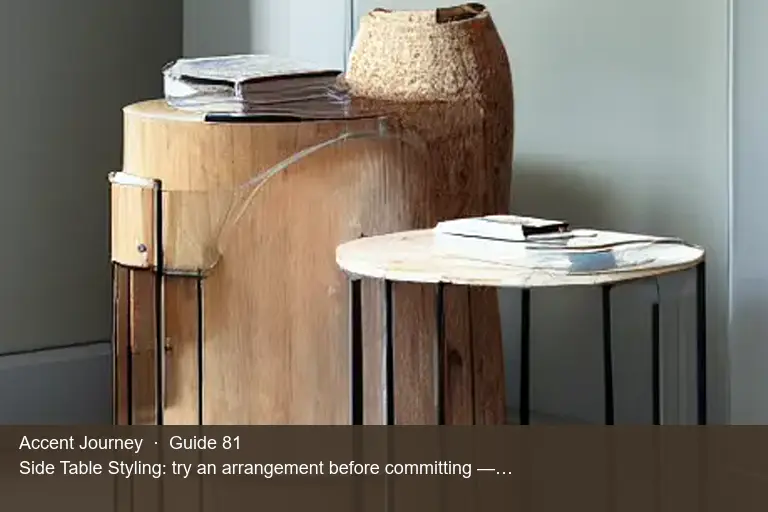
Side Table Styling: try an arrangement before committing — worked example for a first display plan; setup for independent projects
When planning a side table arrangement, it’s wise to take your time and visualize the final look. Start by gathering your pieces and considering the space around the table—this helps avoid clutter later. Think about the style you want to achieve; whether it’s modern, rustic, or eclectic, each choice affects how the table interacts with its surroundings. A good starting point is to sketch a simple layout on paper or use a digital tool to experiment with different placements before you commit. This approach saves time and ensures your design feels intentional rather than rushed.
For independent projects, focus on balance and flow. Choose a few key items that complement each other, and place them thoughtfully so the table feels inviting yet organized. Pay attention to height and texture—mixing materials can add depth without overwhelming the space. If you’re unsure about specific pieces, try borrowing or swapping items until you find the right fit. This method not only reduces stress but also gives you a clearer sense of direction.
Once you’ve made your selections, step back and assess the overall vibe. A well-styled side table can elevate any room, but it should always reflect your personal taste. By taking this careful approach, you’ll create a piece that’s both functional and visually pleasing, setting a solid foundation for future adjustments or additions.