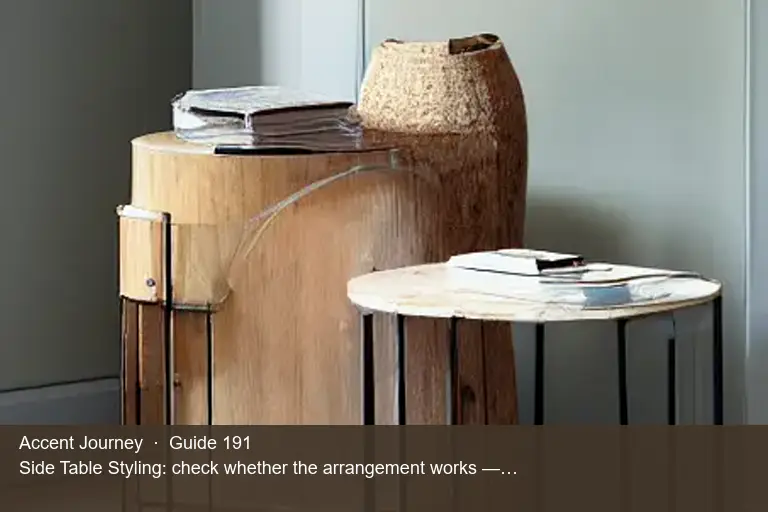
Side Table Styling: check whether the arrangement works — tracking sheet for mixed item sizes; setup for independent projects
When working on side table styling with mixed item sizes, it’s important to evaluate how the pieces interact visually and functionally. Start by assessing the balance of height and width across the tabletop and legs. Ensure that larger items don’t overwhelm smaller ones, creating a cohesive look. Consider the color palette and texture of each component—contrasting elements can add depth but should complement rather than clash. For independent projects, take time to sketch or visualize the arrangement before finalizing, so adjustments are easier to make.
Pay attention to the stability of the setup; uneven weight distribution can lead to instability over time. If you’re using varied materials like wood, metal, and fabric, verify that they all share a similar weight capacity. This prevents unexpected wobbles or safety concerns. A practical check is to place the table in different lighting conditions to see how the colors and shapes appear—this helps confirm that the design remains appealing from multiple angles.
Once you’ve reviewed these factors, take a step back and ask yourself if the arrangement feels intentional and harmonious. This process not only enhances aesthetics but also supports long-term usability. By focusing on balance, stability, and visual cohesion, you’ll create a side table that stands out while remaining functional for everyday use.