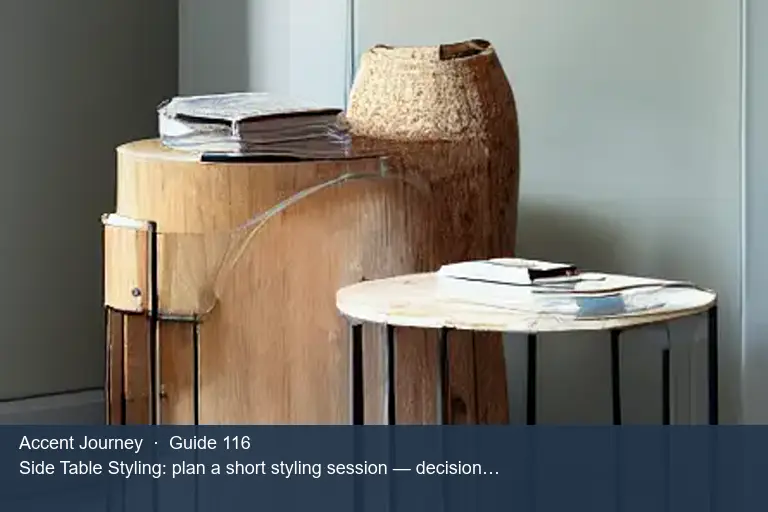
Side Table Styling: plan a short styling session — decision tree for a seasonal rotation; setup for independent projects
Side tables play a significant role in creating a welcoming environment for guests or guests of all ages. With the right design, they can be a focal point in any room, whether it’s a dining table, a living room, or a guest bedroom. Here, we’ll discuss the options and considerations for different types of side tables to create a seasonal rotation. We’ll also outline a plan for setting up for independent projects, including the use of the side tables and their placement.
- Choosing the right type of side table
The first step in selecting a side table is to determine the type of side table you’ll be using. Some common types of side tables are:
- End tables: these are the most common type, offering a wide variety of storage options and a sturdy base. They’re usually made of wood, metal, or a combination of both.
- Bedside tables: these are perfect for guests of all ages. They offer ample storage space and are usually made of wood, metal, or a combination of both.
- Side tables for dining: these are ideal for dining tables, offering ample storage space and are usually made of wood, metal, or a combination of both.
- Bedside tables for dining: these are perfect for dining tables, offering ample storage space and are usually made of wood, metal, or a combination of both.
- Side tables for guests of all ages: these are made of wood, metal, or a combination of both.
When choosing the type of side table, it’s important to consider the size of the room, the number of guests, and the space available. We’ll also explore the benefits of using different types of side tables for different types of rooms.
- Setting up for independent projects
For independent projects, the following steps are recommended:
- Choose the right type of side table for your room: as mentioned earlier, the type of side table you’ll be using should be chosen based on the type of room you’re in.
- Decide on the layout of the room: the layout of the room will determine the placement of the side tables. A simple, open layout will work well for a dining table, while a more structured layout will work well for a guest bedroom.
- Arrange the side tables: once you’ve decided on the layout of the room, arrange the side tables accordingly. Make sure that the side tables are positioned in a way that allows guests to easily access them.
- Consider the storage space: it’s important to consider the storage space of the side tables. If the storage space is limited, it may be better to use more storage containers in a single side table.
- Consider the placement of the side tables: the placement of the side tables can also affect their effectiveness. It’s recommended to arrange the side tables in a way that allows guests to easily access them.
- Place the side tables: once you’ve arranged the side tables, place them in a central location of the room. This will allow guests to easily access them.
- Keep the side tables organized: it’s important to keep the side tables organized to ensure that they are easily accessible. This can be achieved by placing them in a way that allows guests to easily access them, such as on the dining table or the side table for guests of all ages.
- Staying true to the plan
When creating a plan for a side table styling session, it’s important to stay true to the plan. This means keeping the focus on the type of side table you’re using, the layout of the room, and the storage space of the side tables. It’s also important to keep the focus on the placement of the side tables and the effectiveness of the storage space of the side tables. It’s also important to consider the placement of the side tables and the effectiveness of the storage space of the side tables, and to keep the focus on the plan.
In conclusion, side tables play a critical role in creating a welcoming environment for guests. With the right type of side table, the layout of the room, and the storage space of the side tables, they can be a focal point in any room, whether it’s a dining table, a living room, or a guest bedroom. By setting up for independent projects and staying true to the plan, you can create a personalized and inviting environment for guests of all ages.
Remember, side tables are not only functional, but they also add a personal touch to any room.