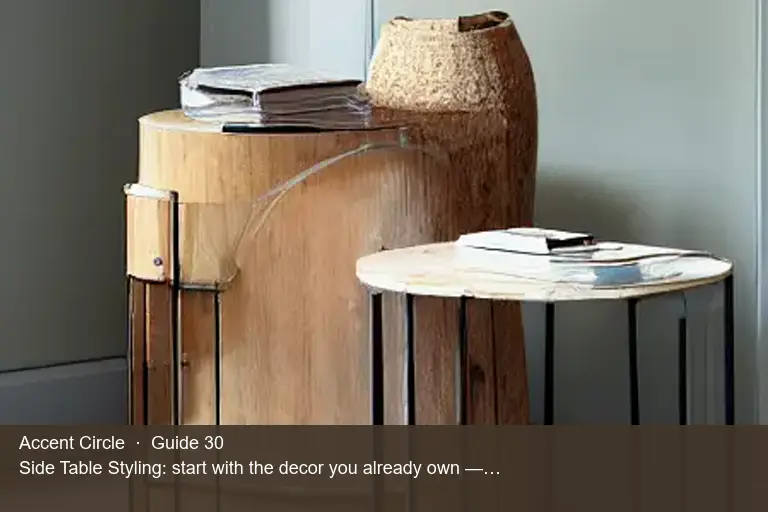
Side Table Styling: start with the decor you already own — handover notes for existing decor; setup in shared households
When working with side tables in a shared household, it’s wise to build on what you already have rather than reinvent the wheel. Begin by assessing the existing decor in your space—consider color schemes, textures, and styles that complement each other. This approach not only saves time but also maintains a cohesive look across different areas. If you’re planning to refresh the look, focus on subtle updates like adding a new fabric cushion or a small decorative accent that matches your current palette.
In shared environments, communication is key. Discuss with neighbors or roommates about what styles they prefer and how you can align your choices without clashing. A side table can serve as a conversation starter, so think about its placement and how it interacts with other furniture. Prioritize functionality—ensure the table supports your needs whether it’s for reading, displaying items, or simply adding warmth to the space.
Take a moment to visualize the final arrangement before making changes. Small adjustments often make the biggest difference. By respecting shared spaces and building on what you already own, you’ll create a harmonious environment that feels personal yet inclusive. This method not only respects your existing setup but also strengthens the sense of community in shared living areas.