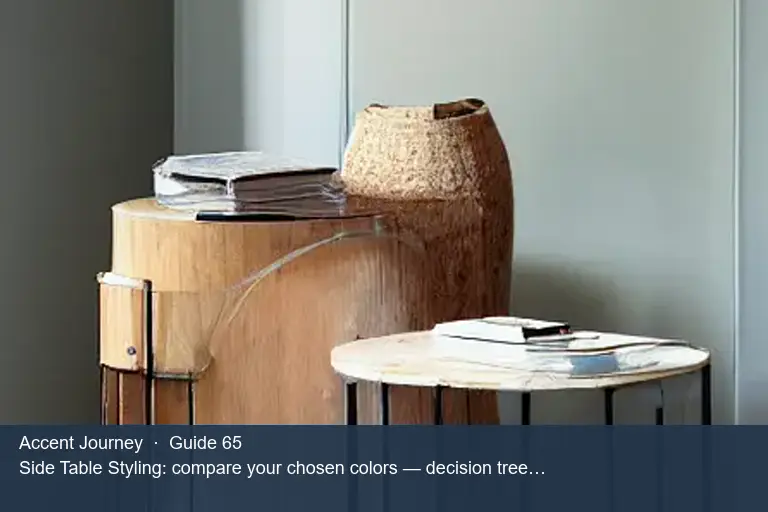
Side Table Styling: compare your chosen colors — decision tree for a shared room; setup for independent projects
Side tables are a vital component of any home, offering a versatile and functional space for storing and displaying items. When choosing the right side table, it's essential to consider the overall design and functionality of your shared room. However, with so many color options available, it's crucial to make an informed decision based on your personal preferences and the needs of your shared space. This article will help you compare your chosen colors for side table styling, offering a decision tree for independent projects.
First, it's important to understand the purpose of a side table. As a shared space, it's essential to provide a comfortable and functional place for guests to gather and store items. The color of the table can significantly impact the overall look and feel of your shared room, so it's crucial to consider your personal preferences.
When selecting the right colors for your side table, the first step is to determine your personal preferences. It's important to consider the colors that make you happy and comfortable. For example, if you prefer a warm and inviting color, you may want to choose a deep red or a warm yellow. On the other hand, if you prefer a neutral color, you may want to choose a neutral white or a light grey.
After determining your personal preferences, it's time to consider the needs of your shared space. The color of the table should align with the decor and style of your shared space. For example, if your shared space is a modern and minimalist style, you may want to choose a neutral color. On the other hand, if your shared space is a traditional and rustic style, you may want to choose a warm and inviting color.
Now that you have determined your personal preferences and the needs of your shared space, it's time to research the available colors for side table styling. You can find a wide variety of colors for side tables, ranging from neutral colors to bold colors. It's essential to research the colors before making a decision, as different colors may have different effects on the overall look of your shared room.
Once you've researched the available colors, you can begin to compare your chosen colors for side table styling. You can create a decision tree, with each decision tree branch representing a different color option. For example, you can create a decision tree branch for a neutral color, with each branch option representing a different color choice.
As you compare your chosen colors for side table styling, it's important to note that there are always different shades of the same color. For example, a neutral white can be a very different shade from a light grey. You can also consider the impact of the color on the overall color scheme of your shared room.
The final step is to choose the right side table for your shared room. Once you've chosen your side table color, it's essential to create a design plan for your shared room. You can create a design plan, with each design plan option representing a different color choice. For example, you can create a design plan option representing a neutral color, with each design plan option representing a different color choice.
In conclusion, when choosing the right side table for your shared room, it's essential to consider your personal preferences and the needs of your shared space. By researching the available colors, creating a decision tree, comparing your chosen colors, choosing the right side table, and creating a design plan, you can make an informed decision and create a functional and comfortable space for your guests to gather and store items.