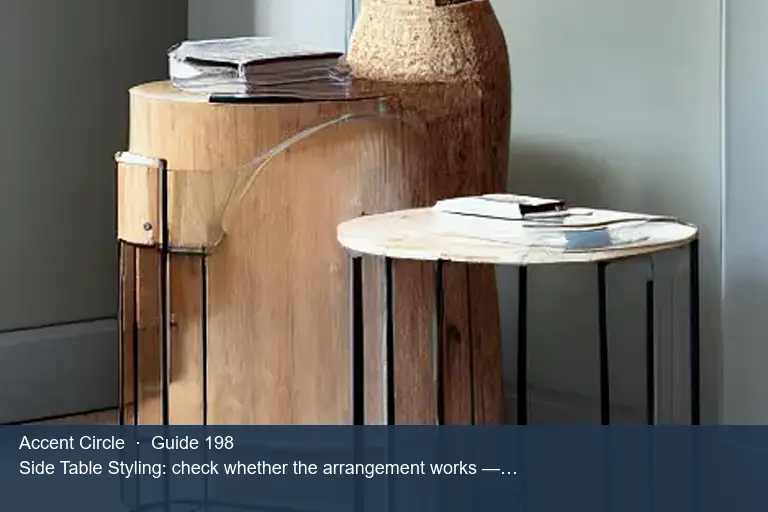
Side Table Styling: check whether the arrangement works — tracking sheet for a temporary arrangement; setup in shared households
**Side Table Styling: Check the Arrangement for a Temporary Family Plan**
As your family plans to create a side table arrangement for a temporary household, it's essential to ensure that the design meets the needs of your household's unique preferences and budget. A well-designed side table can not only enhance your living space but also serve as a functional element in your shared household plans. Here’s a step-by-step guide to check the arrangement for a temporary side table.
**Step 1: Assess the Space and Budget**
Before selecting a side table, it's crucial to understand the space you have and your budget. Your space should be spacious enough to accommodate all furniture and accessories, while your budget should be manageable. A side table can be used to display items, serve as a storage solution, or provide a focal point in your living space.
**Step 2: Consider the Functionality**
Consider the functionality of the side table. It should be large enough to hold all the items you plan to display and arrange. It should also have enough space to accommodate any storage solutions you plan to use, such as shelves, bins, or drawers.
**Step 3: Choose the Right Materials**
Choose the right materials for your side table. You can select materials such as wood, metal, or glass to match your existing décor. Wood is popular for its durability and aesthetic appeal, while metal can be used for a modern look or glass can add a touch of elegance.
**Step 4: Select the Right Colors and Patterns**
Select the right colors and patterns for your side table. Different colors and patterns can create a unique look and feel. Consider your space's ambiance and the items you plan to display. For example, a minimalist look can be achieved with a minimalist color palette, while a contemporary look can be achieved with a contemporary color palette.
**Step 5: Ensure the Layout is Functional**
Ensure that the layout of your side table is functional. It should be easy to reach, easy to clean, and easy to display. Use a central point or a wall to display items and have a display area for storage.
**Step 6: Consider the Cost**
Consider the cost of your side table. It’s important to choose a side table that is affordable and will fit your budget. You can also consider the cost of materials, tools, and any additional expenses associated with maintaining your side table.
**Step 7: Finalize the Design**
Finalize the design of your side table by selecting the right materials, colors, and patterns.
**Step 8: Install the Side Table**
Once you have finalized the design, it's time to install the side table. Follow the instructions provided by your manufacturer or the materials supplier. Make sure to check the instructions to ensure that you are using the materials correctly.
**Step 9: Test the Side Table**
Once the side table is installed, test it to ensure that it is functional and works well. Check the display area for items, the storage area for items, and the central point for display. Test the arrangement to ensure that it aligns with your family's unique preferences and budget.
**Step 10: Keep the Side Table in Use**
Keep the side table in use by displaying the items and using the storage area for storage. This will ensure that the side table continues to work as intended and enhances your living space.
By following these steps, you can ensure that the side table arrangement works for your temporary household. Remember, a well-designed side table can enhance your living space and make your living arrangements more functional and visually appealing.