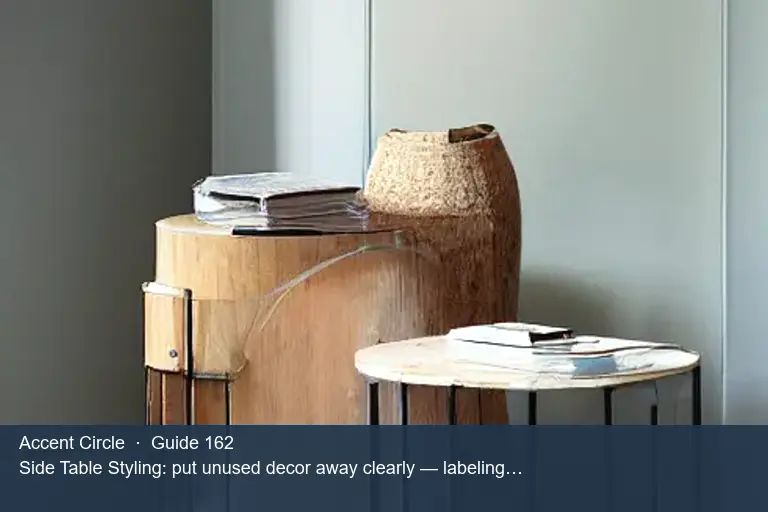
Side Table Styling: put unused decor away clearly — labeling scheme for a first display plan; setup in shared households
When considering side tables in shared household plans, the choice of decor can be a crucial decision. Instead of cluttering up your space, it's essential to make sure that unused decor is put away clearly for a first display plan. In this article, we will explore a practical task: side table styling: putting unused decor away clearly — labeling scheme for a first display plan; setup in shared households.
**Step 1: Understanding the Purpose of Side Tables**
Side tables are essential functional pieces that serve the dual purpose of providing a seating area and a storage solution. They are typically utilized in small kitchens and bathrooms, offering a comfortable place for food preparation and tidiness. Side tables can also be used as dividers between kitchen and bathroom areas, enhancing the flow of the living space.
**Step 2: Identifying Unused Decor**
Unused decor refers to items that are no longer needed and do not fit into the existing decor scheme. This can include items like books, magazines, decorative pieces, or even decorative items that were originally intended for the living space. These items can often be discarded in favor of a new decorative scheme.
**Step 3: Labeling Scheme for a First Display Plan**
A first display plan is a visual organizer that helps organize items in a room. It allows you to quickly see where items go, making it easier to maintain order. Labeling the side tables is a crucial step in this process. The label scheme should clearly identify which side table is which, and which side table belongs to which room.
**Step 4: Setting up in Shared Household Plans**
In a shared household plan, side tables can be placed in various locations. The first display plan would typically be located in the living room, where it would be easily accessible and where the majority of the household's activities take place. The second display plan would typically be located in the kitchen, where cooking and cooking-related items are often stored.
**Step 5: Putting Unused Decor Away Clearly**
When putting unused decor away clearly, it's essential to keep in mind the purpose of the side tables. In a first display plan, unused decor should be placed in the living room. In a second display plan, unused decor should be placed in the kitchen. This ensures that the unused decor is easily accessible and maintains order.
**Step 6: Applying the Label Scheme**
After labeling the side tables with the correct scheme, the next step is to apply the label scheme. In a first display plan, the label scheme should be placed on the side tables, in the living room. In a second display plan, the label scheme should be placed on the side tables, in the kitchen.
**Step 7: Maintaining the Order and Clarity**
Maintaining the order and clarity of the side tables is essential. If you have a first display plan, keep the unused decor in the living room for easy access. If you have a second display plan, keep the unused decor in the kitchen for easy access.
**Step 8: Conclusion**
In conclusion, side tables are a great decorative tool that can be used to keep your living space organized and clutter-free. By putting unused decor away clearly, labeling the side tables, and applying the label scheme, you can ensure that the unused decor is easily accessible and maintains order. In a first display plan, the unused decor should be placed in the living room, and in a second display plan, the unused decor should be placed in the kitchen. This ensures that the unused decor is easily accessible and maintains order, making your living space a tidy and organized place.