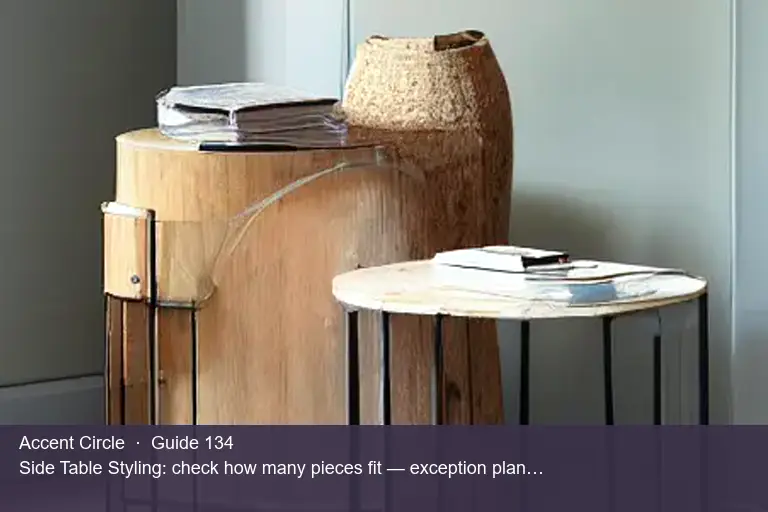
Side Table Styling: check how many pieces fit — exception plan for incomplete measurements; setup in shared households
When planning side table styling, it’s important to assess what pieces you can realistically incorporate without overwhelming your space. Start by measuring the available area and noting any gaps or irregularities. If measurements are incomplete, consider a flexible approach—prioritize the most visually appealing elements while leaving room for adjustments. In shared households, coordination becomes key; communicate with roommates about preferences and boundaries to ensure everyone feels comfortable. This collaborative process helps avoid misunderstandings and fosters a harmonious environment.
Choosing the right style also depends on the existing decor and the function of the table. Opt for pieces that complement your current setup rather than compete with it. A minimalist design often works best in mixed spaces, allowing each item to stand out without clutter. Pay attention to scale—larger tables can accommodate bigger items, while smaller ones suit tight corners or shared surfaces. This mindful selection prevents overcrowding and maintains a balanced look.
Before finalizing your setup, take a moment to visualize the arrangement. A good stopping point is to step back and evaluate whether the pieces feel cohesive and functional together. Adjustments are easier when you have clarity on what fits and what doesn’t. By staying intentional, you can create a stylish side table that enhances your space without causing stress or confusion.