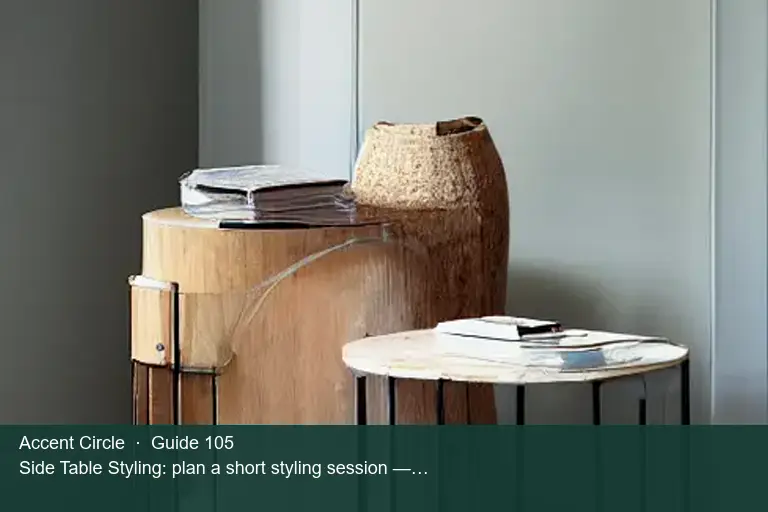
Side Table Styling: plan a short styling session — troubleshooting map for a shared room; setup in shared households
**Styling a Side Table for Shared-Household Comfort and Style: A Practical Guide for the 50+年龄段**
In today's shared-household environments, side tables have become more than just storage units; they serve as the centerpiece for a shared room. While side tables are typically small and simple, they can also be transformed into a stylish focal point, enhancing the overall aesthetic of shared spaces. This article offers a step-by-step guide to help you plan a short styling session for your side table, ensuring that your shared room is not only functional but also aesthetically pleasing.
- **Identifying the Purpose of the Side Table** Begin by identifying the purpose of the side table. Is it for a work station, a dining area, or a seating area? Understanding the primary function will help you tailor the styling details accordingly.
- **Understanding Side Tables** Familiarize yourself with the different types of side tables available. Understanding these can help you choose the right style for your shared space.
- **Choosing a Style for Side Tables** Decide on the style for your side table. This could be modern, classic, or rustic. Consider the style that best fits the overall aesthetic of your shared room. For example, a modern side table could be a sleek, minimalist design, while a rustic side table might feature a rustic, textured finish.
- **Selecting a Material for Side Tables** Choose a material that is suitable for your shared space. Solid wood, laminate, or steel are popular choices, each offering different qualities like durability, ease of maintenance, and cost.
- **Choosing a Color Scheme** Determine a color scheme for your shared space. This can be done by considering the overall aesthetic of your shared room and selecting a color that complements it. For example, a modern, clean look might be best paired with modern, minimalist colors.
- **Creating a Design Plan** Create a design plan for your side table, focusing on the style, material, and color. This plan should include a layout and design elements that will enhance the aesthetic of your shared space.
- **Preparing the Area** Before you start the styling session, prepare the area. This includes any furniture, decorations, or accessories that will be used in your shared space. Ensure everything is in order and ready for the styling session.
- **Performing the Styling Session** Begin the styling session by selecting a side table that meets your purpose and style. Choose a material that complements your shared space, and select a color scheme that matches the overall aesthetic of your shared room. Create a design plan and begin decorating the area.
- **Finalizing the Styling** Once the styling session is complete, finalize the design by selecting a final color scheme that complements your shared space. Consider the overall aesthetic of your shared room and select a color that best matches it.
- **Maintaining the Styling** Finally, maintain the styling session by keeping the area clean and tidy. This includes removing any debris or items that are not in use. Regular maintenance will keep the area looking its best.
**Conclusion:** By following this step-by-step guide, you can create a short styling session for your side table, enhancing the aesthetic of your shared room and making your living space more comfortable and functional.
**Resources:**
- **Side Table Styles**: A variety of side table styles can be found online. Websites like SideTableStyles.com offer a vast collection of designs, including modern, classic, and rustic. - **Side Table Materials**: Different materials, such as wood, metal, and steel, come with their own unique advantages and drawbacks. - **Color Schemes**: Selecting a color scheme that complements your shared space and overall aesthetic can be done by considering the color scheme that best matches your shared room.
**References:**
- **Side Table Styles**: A variety of side table styles can be found online.