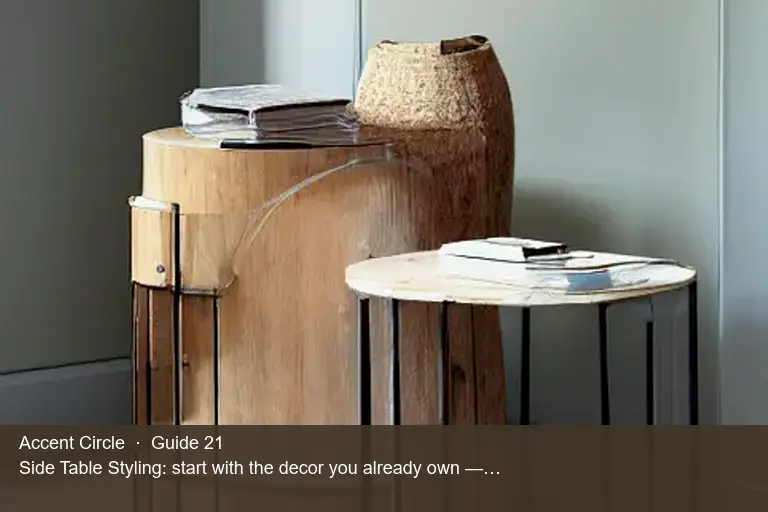
Side Table Styling: start with the decor you already own — decision tree for a first display plan; setup in shared households
When planning a side table display, begin by assessing the decor you already have at home. This approach not only saves time but also ensures cohesion in your space. Take stock of existing furniture, colors, and textures that complement your style. Consider how the new side table will interact with these elements—choose pieces that either contrast thoughtfully or harmonize beautifully. This decision tree helps you prioritize what you already own versus what you might need to acquire.
In shared households, it’s wise to keep things flexible. If others are living nearby, opt for neutral tones and simple designs that won’t clash with different tastes. A side table that blends well can become a conversation starter without causing friction. Think about placement too—positioning it near a window or in a common area can enhance its impact while respecting shared spaces.
Take your time to evaluate these choices. A well-chosen side table can elevate any room, but it should feel intentional rather than forced. By focusing on what you already have, you’ll create a more personalized and harmonious environment without unnecessary expenses or stress.